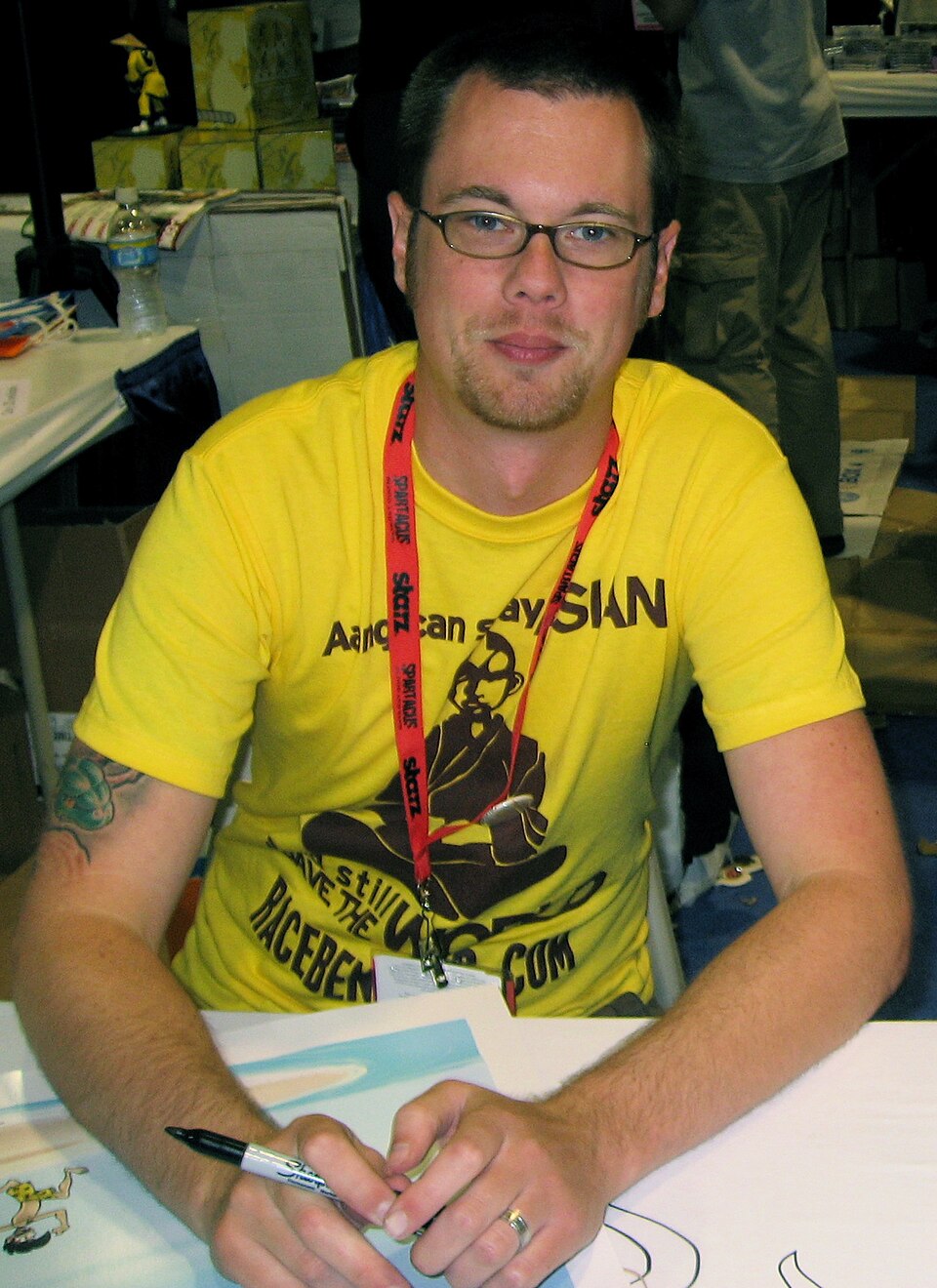
Mike Krahulik's Creative Legacy: Art, Controversies, and the Philanthropic Heart of Child's Play
Mike Krahulik is a name synonymous with the early days of webcomics, the booming culture of video games, and surprisingly, a multi-million dollar charity that has touched countless lives. As the co-creator and principal artist behind the seminal webcomic
Penny Arcade, Krahulik has carved out a unique and often complex legacy. Born on September 25, 1977, his journey from an aspiring cartoonist in Spokane, Washington, to a highly influential figure in digital media, complete with an estimated
mike krahulik net worth of around $5 million, is a testament to artistic vision, entrepreneurial spirit, and a willingness to confront — and sometimes generate — controversy. This article delves into the multifaceted career of Mike Krahulik, exploring his artistic evolution, his philanthropic endeavors, and the challenging moments that have shaped his public persona.
The Artistic Genesis of a Gaming Icon
Krahulik's creative journey began with a deep-seated passion for illustration and storytelling, an interest he cultivated long before the internet became the dominant platform for independent artists. His early work showcased a penchant for stylized cartoons and experimental designs, hinting at the unique visual language he would later develop. The true turning point arrived when he reconnected with his high-school friend, Jerry Holkins. This partnership proved to be synergistic, combining Holkins's sharp, witty writing with Krahulik's distinctive visual style to launch
Penny Arcade in 1998.
Under the online moniker "Jonathan Gabriel," or simply "Gabe," Krahulik’s art became instantly recognizable within the burgeoning online gaming community. Initially, Krahulik credited cartoonist Stephen Silver as a major influence, and echoes of that style could be seen in the early iterations of his characters. However, as
Penny Arcade matured, so too did Krahulik’s art. Character designs evolved from their more exaggerated, early forms into refined, expressive figures that captured the nuanced humor and satire of the comic. This artistic growth was crucial to
Penny Arcade's sustained success, allowing it to remain fresh and engaging over decades.
Beyond
Penny Arcade, Krahulik also contributed his artistic talents to various other projects. Early in his career, he provided over 300 illustrations for "Daily Victim," a popular feature on the gaming website GameSpy. He also created promotional cartoons for major video game titles, including Tom Clancy's
Rainbow Six, and lent his illustrative skills to book covers, notably for John Scalzi’s science fiction novel
Agent to the Stars. These diverse projects underscored his versatility and confirmed his status as a sought-after artist within the tech and entertainment spheres, each contributing to the foundation of his eventual financial standing.
Beyond the Comic Strip: Child's Play Charity
While
Penny Arcade solidified Krahulik's reputation as a creative force, another venture revealed a profound philanthropic side: the Child's Play charity. Co-founded with Jerry Holkins in 2003, Child's Play emerged from a reaction to negative media stereotypes about gamers. What started as a modest toy drive designed to prove gamers could be a force for good quickly blossomed into a multi-million dollar international charity.
Child's Play organizes toy and game drives for children's hospitals and domestic violence shelters across the globe. By providing age-appropriate toys, games, and entertainment, the charity aims to improve the lives of children undergoing difficult treatments or facing challenging circumstances. The success of Child's Play is a powerful testament to the generosity and community spirit of gamers, a community that Krahulik and Holkins played a significant role in fostering and mobilizing. It not only provides tangible comfort to children but also actively reshaped public perception of the gaming community, demonstrating its capacity for profound positive impact. The charity’s continued growth and success remain a significant, positive pillar of Krahulik’s public legacy, showcasing a powerful blend of passion, influence, and genuine altruism.
Navigating the Tides of Controversy and Community Dialogue
No examination of Mike Krahulik's legacy would be complete without acknowledging the periods of significant controversy that have punctuated his career. Krahulik has, at times, faced widespread criticism for expressing views on sensitive topics, particularly those related to transgender individuals and rape themes. These instances have often led to highly polarized reactions, both within the loyal
Penny Arcade community and the broader online gaming sphere.
The controversies have been particularly impactful within the PAX (Penny Arcade Expo) community, the massively popular gaming conventions also co-founded by Krahulik and Holkins. These events, born from the comic's success, became fertile ground for both celebration and contention. Members of the community, at various points, even painstakingly crafted complex timelines to document these events, attempting to explain the social dilemmas and resulting online memes. This illustrates the deep engagement and often passionate, yet divided, responses his statements could evoke.
A notable turning point came in 2013 when Krahulik publicly apologized for past insensitive remarks and demonstrated his commitment to amends by donating $20,000 to The Trevor Project, an organization dedicated to LGBTQ youth suicide prevention. This act was seen by many as a step towards accountability and a recognition of the profound impact a public figure's words can have. While these controversies highlight the challenges of navigating public discourse for creators with large platforms, they also underscore the evolving expectations for social responsibility within digital communities. Krahulik's journey through these periods offers valuable lessons on the complexities of creator influence, public opinion, and the difficult process of reconciliation.
Mike Krahulik's enduring influence stems from his multifaceted contributions to digital culture. As a webcomic pioneer, he helped define an entire genre, demonstrating the viability and power of online sequential art long before it was mainstream.
Penny Arcade didn't just entertain; it provided a voice for the nascent gaming community, offering humor, satire, and social commentary that resonated deeply with its audience. This pioneering spirit, combined with the successful monetization of the comic through merchandise, conventions like PAX, and other ventures, is directly linked to his estimated
mike krahulik net worth of $5 million. His entrepreneurial vision, alongside Holkins, transformed a simple webcomic into a multimedia empire.
Despite his prominent public role, Krahulik has largely maintained a private personal life. Details about his relationships or marital status remain largely undisclosed, allowing his professional journey and cultural impact to speak for themselves. His story serves as an inspiration for aspiring digital artists and content creators, emphasizing the power of persistence, collaboration, and adapting one's craft over time. It demonstrates that a unique artistic voice, when paired with strategic vision, can build not only a significant following but also a substantial legacy. For a deeper dive into his multifaceted career, explore
Mike Krahulik: Webcomic Pioneer, Gaming Influencer, and Charity Founder.
Conclusion
Mike Krahulik's legacy is a rich tapestry woven with threads of artistic innovation, profound philanthropy, and challenging public discourse. From his early days as a passionate cartoonist to becoming a co-creator of one of the most iconic webcomics,
Penny Arcade, and a co-founder of the impactful Child's Play charity, Krahulik has left an indelible mark on gaming culture and digital media. His journey, while not without its controversies, underscores the transformative power of independent creation and the complex responsibilities that come with a public platform. Ultimately, Krahulik stands as a testament to the idea that a single individual’s artistic vision and entrepreneurial drive can shape entire communities, inspire generosity, and redefine what it means to be a cultural influencer in the digital age.